Food safety in restaurants directly impacts customer health and business reputation. A single temperature-related incident can lead to foodborne illness outbreaks, regulatory violations, and permanent damage to a restaurant’s standing in the community. Traditional manual temperature checks, performed sporadically throughout the day, leave dangerous gaps in monitoring that can allow food to enter unsafe temperature zones undetected.
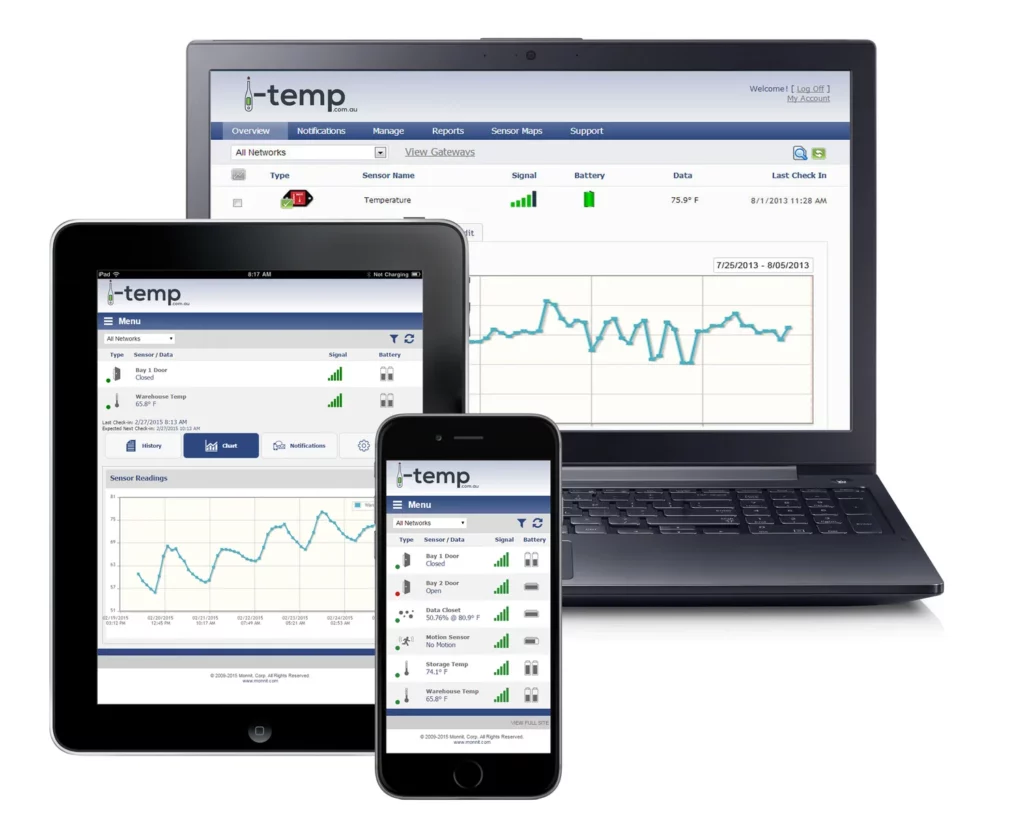
Online temperature monitoring systems have transformed how restaurants protect their customers. These automated solutions use connected sensors to track refrigerator, freezer, and warmer temperatures continuously, transmitting real-time data to digital dashboards accessible from anywhere. Restaurant managers receive instant alerts when temperatures drift outside safe ranges, enabling immediate corrective action.
Temperature tracking technology supports food safety efforts by eliminating human error in logging, providing documented proof of compliance for health inspections, and creating a proactive defense against spoilage. This shift from reactive manual checks to continuous automated surveillance represents a fundamental improvement in how restaurants safeguard the food they serve.

What Is Online Temperature Monitoring and How Does It Work in Restaurants?
An online temperature monitoring system uses digital sensors to continuously track and record temperatures across restaurant storage equipment. The technology replaces traditional manual checks with automated data collection that operates 24/7.
How Online Temperature Monitoring Works
Here’s how online temperature monitoring works in restaurants:
- Placement of Sensors: Sensors and probes are strategically placed inside refrigerators, freezers, and warming units to measure ambient air temperature.
- Regular Readings: Each sensor contains precision thermometers that capture readings at regular intervals—typically every 10 minutes. Some advanced probes can monitor multiple zones simultaneously within large walk-in coolers.
- Data Transmission: The captured real-time temperature data travels through wireless or wired connections to a central hub.
- Cloud Upload: From the central hub, the information uploads to cloud-based platforms accessible through web dashboards or mobile applications.
- Remote Access: Restaurant managers can view current temperatures, historical trends, and equipment status from any location with internet access.
Components of an Online Temperature Monitoring System
The system architecture includes three key components:
- Temperature sensors installed in storage units
- Gateway devices that collect and transmit data
- Cloud software that processes and displays information
This setup enables continuous monitoring without requiring staff to physically check thermometers. The digital infrastructure automatically logs every reading, creating a permanent record that documents temperature conditions throughout each day. Staff receive instant visibility into all monitored equipment through a single interface, whether they’re in the kitchen or managing operations remotely.
Why Do Restaurants Need Continuous Temperature Monitoring?
Improper temperature control creates dangerous conditions where bacteria multiply rapidly, turning safe food into potential health hazards within hours. A refrigerator that drifts to 45°F instead of the required 40°F or below becomes a breeding ground for pathogens like Salmonella and Listeria.
Continuous temperature tracking delivers updates every 10 minutes, catching temperature fluctuations that manual checks miss entirely. Staff performing hourly or twice-daily manual logs might record a reading at 2 PM showing 38°F, completely unaware that the unit spiked to 50°F at 2:30 PM due to a compressor issue.
The risks extend beyond refrigeration:
- Warming units holding prepared foods below 135°F enter the danger zone where bacteria thrive
- Freezers operating above 0°F compromise food quality and accelerate freezer burn
- Walk-in coolers with inconsistent airflow create warm spots that spoil inventory
Frequent automated readings provide a complete temperature history rather than isolated snapshots. This constant vigilance enables spoilage prevention by identifying equipment malfunctions before entire inventories are lost. A restaurant storing $5,000 worth of proteins, dairy, and produce cannot afford the blind spots that manual logging creates. Food storage safety demands the comprehensive oversight that only continuous monitoring systems deliver.
How Do Online Temperature Monitoring Systems Help Restaurants Meet Food Safety Regulations?
What specific regulatory requirements must restaurants satisfy through temperature monitoring?
Food safety compliance mandates that restaurants maintain detailed records of cold storage temperatures, typically requiring checks at least twice daily, even during closures and holidays. Health departments expect documented proof that refrigeration units consistently operate within safe zones—usually 0-5°C for refrigerators and -18°C or below for freezers.
How do modern systems address these regulatory requirements?
Online temperature monitoring systems are engineered specifically to meet regulatory requirements with built-in features that satisfy inspection criteria:
- Precision accuracy within ±1°C ensures readings meet legal standards for temperature recording standards
- Automated twice-daily reporting generates timestamped logs without staff intervention
- Continuous documentation creates uninterrupted records that demonstrate ongoing compliance
- Alarm triggers activate when temperatures drift outside acceptable ranges, with automatic logging of when alerts occurred
What makes these systems audit-ready?
Digital platforms store months or years of temperature data in accessible formats that inspectors can review instantly. During health inspections, restaurant managers can pull up comprehensive reports showing temperature trends, alert responses, and corrective actions taken. This automated documentation eliminates gaps in manual logs and provides verifiable proof of food safety compliance practices, transforming how restaurants use online temperature monitoring to ensure food safety during regulatory reviews.
What Are the Benefits of Real-Time Alerts for Temperature Deviations?
Real-time alerts transform how restaurants respond to temperature problems by delivering instant notifications the moment conditions fall outside safe ranges. When a refrigerator’s temperature climbs above 4°C or a freezer warms beyond -18°C, staff receive SMS notifications, emails, or app alerts within seconds, allowing them to address issues before food safety becomes compromised.
The speed of notification directly enables effective corrective actions. A manager receiving an alert at 2 AM about a failing walk-in cooler can immediately contact maintenance or transfer products to backup storage. Kitchen staff alerted during service hours can quickly adjust thermostat settings, redistribute food loads, or identify malfunctioning equipment doors left ajar.
These rapid responses prevent specific food safety risks:
- Bacterial growth prevention: Catching temperature rises within minutes stops pathogens like Salmonella and Listeria from multiplying to dangerous levels
- Product salvage: Early detection allows staff to move food to proper storage before it enters the danger zone (4°C to 60°C)
- Service continuity: Immediate awareness prevents restaurants from unknowingly serving potentially contaminated items to customers
A restaurant receiving an alert about a freezer malfunction can inspect affected inventory, document the incident, and make informed decisions about product safety rather than discovering spoiled stock hours later during prep. This proactive approach protects both customers and the business’s reputation.
How Does Automating Temperature Monitoring Improve Operational Efficiency?
Automated temperature monitoring transforms restaurant operations by eliminating the need for staff to manually check and log temperatures multiple times daily. A typical restaurant might require 4-6 manual temperature checks per shift across multiple storage units, consuming 30-45 minutes of labor daily that automation benefits redirect toward customer service and food preparation.
1. Energy Cost Management
Energy cost management improves significantly when systems continuously track equipment performance patterns. Restaurants can identify refrigeration units working harder than necessary, doors left ajar, or cooling systems cycling inefficiently. A malfunctioning freezer drawing excess power becomes immediately apparent through temperature fluctuations, allowing maintenance before energy bills spike or equipment fails completely.
2. Audit Streamlining
Audit streamlining represents one of automation’s most valuable advantages. Health inspectors and internal auditors access months of temperature data within seconds through digital dashboards, replacing the chaos of paper logbooks that staff must locate, organize, and present. The systems generate comprehensive compliance reports showing:
- Temperature readings at required intervals
- Documented responses to any deviations
- Calibration records and maintenance history
- Complete audit trails with timestamps
Digital records eliminate handwriting interpretation issues and prevent lost documentation. When auditors request temperature logs from specific dates, managers pull reports instantly from their phones rather than searching filing cabinets or scrambling to recreate missing manual entries.
How Online Temperature Monitoring Helps Reduce Food Waste
Reducing food waste becomes possible when restaurants notice temperature changes before they affect food quality. Online monitoring systems quickly find equipment problems or door seal issues, allowing staff to move products to backup units before they go bad. A restaurant could save hundreds of dollars worth of seafood or dairy products just by getting a notification about a refrigerator running 2°C above the safe range.
Preventing Spoilage with Consistent Temperature Control
Preventing spoilage depends on keeping specific temperature zones throughout storage times. Traditional manual checks every 4-6 hours leave gaps where temperatures could change without anyone noticing. Continuous monitoring gets rid of these blind spots by checking conditions every 10 minutes, making sure perishable items stay within their ideal ranges. When a freezer has a short power outage overnight, the system records exactly how long temperatures stayed high and whether products are still safe to serve.
Maintaining Quality through Temperature Management
Maintaining quality goes beyond basic safety to keep the texture, flavor, and appearance of ingredients intact. Lettuce stored at uneven temperatures wilts quicker, while proteins develop off-flavors when exposed to temperature abuse. The information from monitoring systems helps restaurants spot trends—like certain coolers that have trouble during busy kitchen hours—allowing them to make proactive changes that keep ingredients fresh. This accuracy means chefs use better quality products and throw away less inventory due to spoilage.
What Are the Maintenance and Calibration Requirements for These Systems?
System calibration must occur annually to satisfy regulatory standards and maintain measurement precision. Health departments and food safety authorities typically mandate this yearly verification to confirm sensors remain within the required ±1 °C accuracy threshold. Professional calibration services test each probe against certified reference standards, documenting results for compliance records.
Maintenance schedules extend beyond annual calibration to include routine checks that preserve system reliability. Restaurant operators should implement these practices:
- Weekly visual inspections of sensor placement and cable integrity
- Monthly battery checks for wireless sensors to prevent unexpected failures
- Quarterly cleaning of probe housings to remove dust and debris that affect readings
- Immediate replacement of damaged sensors showing erratic data patterns
Accuracy assurance depends on proper sensor positioning within storage units. Probes should remain in locations that represent true air temperature, away from door seals, cooling vents, or direct contact with food products. Staff training on correct probe placement prevents false readings that trigger unnecessary alarms.
Digital systems simplify maintenance tracking by logging calibration dates and sending reminders when service becomes due. This automated approach ensures restaurants never miss critical maintenance windows that could compromise temperature data integrity during health inspections.
Conclusion
How do online temperature monitoring systems transform restaurant operations?
Restaurant food safety technology delivers measurable protection for both customers and businesses. Automated systems prevent foodborne illness by catching temperature deviations before contaminated food reaches diners. This proactive approach builds customer trust and protects brand reputation.
The benefits of online monitoring extend beyond safety compliance. Restaurants experience:
- Reduced labor costs through elimination of manual temperature checks
- Lower food waste from early detection of equipment failures
- Streamlined audits with instant access to digital records
- Energy efficiency through optimized equipment performance
Staff can focus on food preparation and customer service rather than repetitive logging tasks. Management gains visibility into multiple locations simultaneously, identifying patterns and preventing recurring issues.
How restaurants use online temperature monitoring to ensure food safety represents a shift from reactive to preventive management. The investment in automated systems pays dividends through operational savings, regulatory confidence, and most importantly, consistent protection of public health.
Click here: The Role of Food Safety Regulatory Compliance in Protecting Public Health